Posted on 8/28/2026
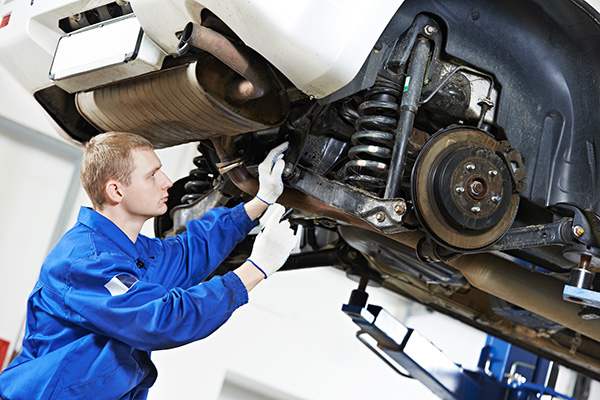
Suspension wear can sneak up on you because the change is rarely sudden. You get used to a little more bounce over a familiar road, a little extra lean around a curve, or a steering wheel that needs more correction than it used to. After a while, that new behavior starts to feel normal. The suspension has more work to do than keeping the ride comfortable. Springs support the vehicle's weight, while shocks, struts, bushings, joints, and related parts control how that weight moves. When those parts stop doing their jobs well, tires, braking, steering, and overall stability begin to change too. 1. The Car Keeps Bouncing After a Bump A healthy suspension should compress when the tire hits a bump and then settle quickly. If the body continues moving up and down after the road has leveled out, the shocks or struts may no longer be controlling the springs properly. We usually notice the same problem over dips, railroad crossings, and uneven pavement. The vehicle can f ... read more
Posted on 7/31/2026
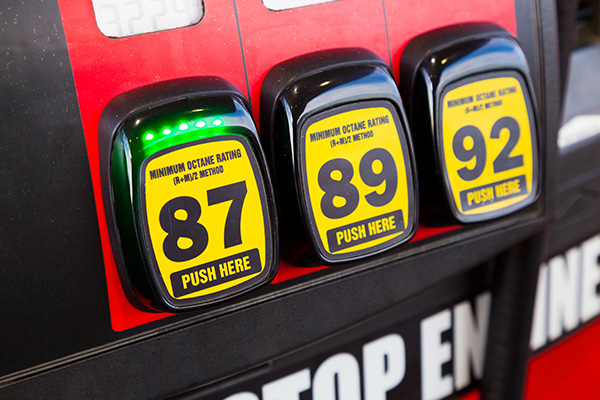
At the gas station, it is easy to wonder if premium fuel is the better choice. The label sounds better. The price is higher. The word premium makes it feel like you are giving your car something cleaner, stronger, or more protective. So does premium gas actually make a difference in a regular car? For most vehicles that are designed to run on regular unleaded gas, the answer is usually no. Premium fuel is not harmful in most cases, but it also may not give you better mileage, more power, or a longer engine life if your vehicle does not require it. At our shop, we hear this question often. Some drivers switch to premium because their car is getting older. Others use it before road trips. Some believe it cleans the engine better. Others are trying to fix a rough idle, poor acceleration, or a check engine light. We understand why it seems like an easy upgrade, but the real answer depends on your vehicle and what the owner’s manual says. What Makes Premium Gas Different ... read more
Posted on 6/26/2026
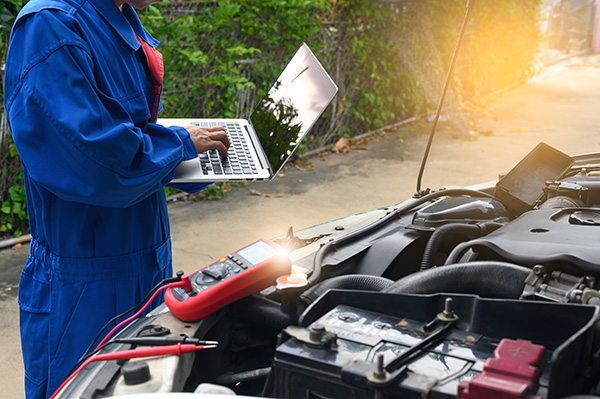
The phrase tune-up has been around for a long time, and it still shows up in everyday car conversations all the time. At our shop, we hear it constantly. Someone calls and says their car needs a tune-up, or they ask whether it is “time for a tune-up” because the vehicle feels a little sluggish. The interesting part is that what people mean by that phrase today is often very different from what a tune-up used to be. Years ago, a tune-up was a much more routine and mechanical service. Cars needed regular adjustments to keep them running their best. Today, vehicles are built very differently. Modern engines are more computerized, more precise, and far less dependent on the kind of frequent manual tweaking older cars needed. That does not mean tune-ups are a myth now. It just means the meaning has changed. What A Tune-Up Used To Mean If you go back a few decades, a tune-up was a normal part of keeping a car running right. Older vehicles had ignition systems ... read more
Posted on 5/29/2026
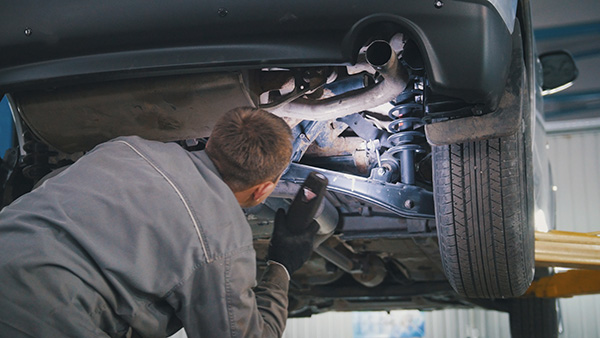
Suspension trouble can make a familiar car feel slightly wrong before anything feels truly broken. The same road feels rougher. The steering needs more correction. A tire starts wearing in a pattern that does not look right. Those small changes are easy to blame on road conditions. The suspension is what helps keep the tires planted, the body controlled, and the steering predictable. When parts wear out, the vehicle may still drive, but it does not feel as steady, quiet, or controlled as it should. 1. The Car Bounces After Bumps A healthy suspension should settle quickly after a bump, dip, or driveway entrance. The car moves, absorbs the impact, and then feels stable again. If it keeps bouncing, floating, or rocking afterward, the shocks or struts may be worn. Drivers usually notice this first on roads they know well. A speed bump feels bigger than it used to. A dip in the road makes the car move twice as often as it would otherwise. At highway speed, the vehicle ... read more
Posted on 4/30/2026
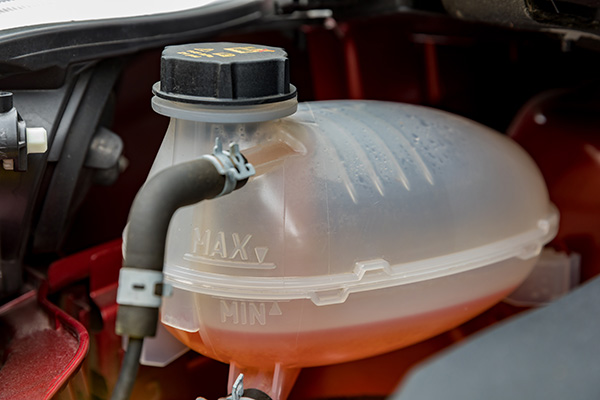
Low coolant is one of those issues that can seem minor at first. The car still runs, the temperature may stay normal for a while, and nothing feels urgent. That can make it easy to keep driving without much thought. Coolant, though, plays a critical role in controlling engine temperature. When levels drop, the system cannot do its job properly, and the effects can build faster than expected. Engine Temperature Starts to Rise Coolant absorbs heat from the engine and carries it away. When there is not enough of it, that heat has nowhere to go. As a result, engine temperature begins to climb. At first, the increase might be slight and only appear under certain conditions, such as sitting in traffic or driving uphill. Over time, it becomes more consistent and harder to ignore. Overheating Becomes More Likely As coolant levels continue to drop, the risk of overheating increases. The system loses its ability to regulate temperature, especially during l ... read more
Posted on 3/27/2026
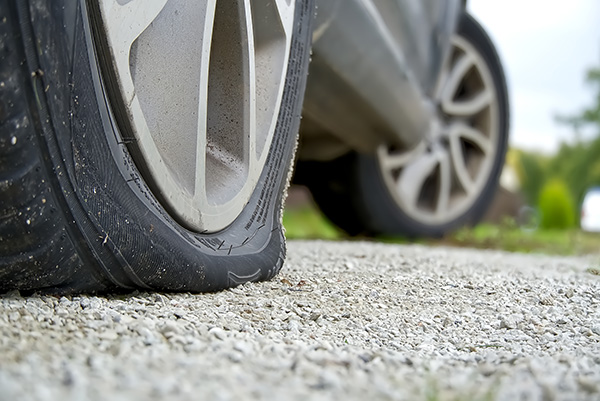
A tire can absolutely keep losing air even when there is no nail, screw, or obvious hole in the tread. That is what makes this kind of problem so frustrating. You add air, everything looks fine for a little while, and then the warning light comes back, or the sidewall starts looking low again. If there is no puncture, the air is usually escaping from somewhere else in the tire and wheel assembly. Why It Is Not Always About The Tread Most people look right at the tread first, which makes sense, but a tire only stays inflated if the whole assembly seals properly. The tire has to seal to the wheel, the valve stem has to hold pressure, and the wheel itself has to be in good condition. If any one of those areas starts leaking, the tire will go low even though the tread looks fine. That is why a slow leak can be tricky without a proper inspection. The real problem may be around the rim, inside the valve stem, or in damage that is easy to miss. Valve Stems Cause ... read more
Posted on 2/27/2026
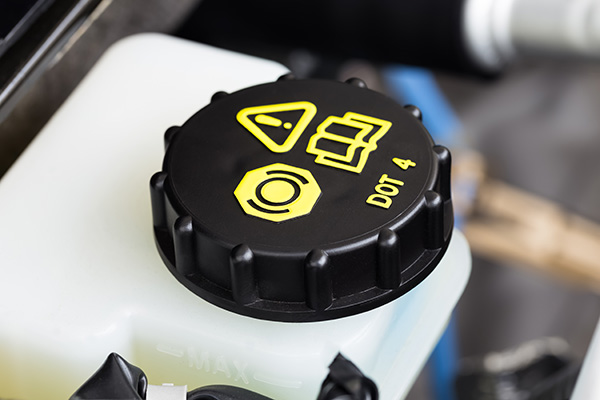
Brake fluid is one of those things most drivers never think about until the brake pedal feels different. The catch is that brake fluid can degrade long before you notice a change behind the wheel. When that happens, braking performance can get less consistent, especially during hard stops, hot weather, or long downhill driving. Changing brake fluid is about keeping the braking system working the way it was designed to. What Brake Fluid Actually Does Brake fluid transfers the force from your foot to the brake calipers. When you press the pedal, the fluid moves through brake lines and builds hydraulic pressure that clamps the pads onto the rotors. Unlike air, fluid does not compress much, which is why a healthy system feels firm and predictable. Brake fluid also has to handle heat. Brakes convert speed into heat every time you slow down, and that heat travels into the fluid in the calipers. Good fluid resists boiling so the pedal stays consistent when the system gets ... read more
Posted on 1/30/2026
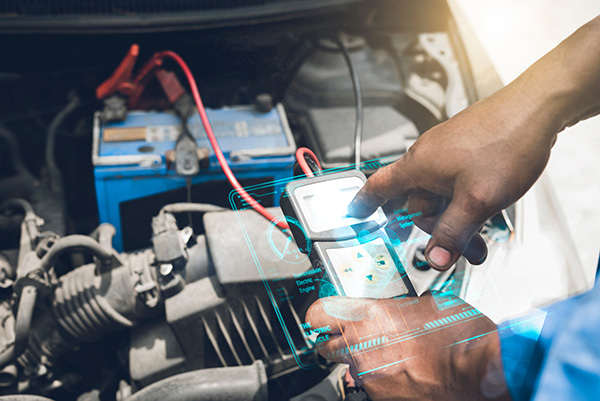
Nothing throws off your day like walking out to a car that will not start. It feels random, too. The car was fine yesterday, and now you are stuck wondering what changed while it was parked. Overnight battery drains are usually caused by something small that stays awake when it should not. The key is knowing the common culprits, what the early signs look like, and when it’s time to stop resetting the clock with jump starts and get a real fix. Why Overnight Battery Drains Happen Your car always uses a tiny amount of power when it’s off. That is normal. The clock, security system, and a few control modules need a small standby draw. The problem starts when that draw becomes too high or lasts too long. This can happen because a module does not go to sleep, a switch sticks, or an accessory keeps pulling power even after you lock the doors. In our bays, we often find the cause is something simple that's easy to miss from the driver’s seat, like a l ... read more
Posted on 12/19/2025

New Year’s Eve is supposed to be about countdowns and fireworks, not fender benders and tow trucks. Yet it is one of those nights when even careful drivers are surrounded by people who are rushing, distracted, or not as sober as they should be. A little planning before you grab the keys goes a long way toward making sure you start 2026 at home, not on the shoulder or in a waiting room. Why New Year’s Eve Driving Feels So Chaotic Traffic patterns on this night are different from a regular weekend. You have people who rarely drive at night mixing with party crowds, tourists, and rideshare drivers trying to juggle multiple pickups. On top of that, many folks are watching the clock, so they rush yellow lights or speed to “make it there by midnight.” You do not control what anyone else does, but you can drive as if the car next to you might make a bad choice. In practice, that means giving extra space, easing off the gas a bit, and assuming that t ... read more
Posted on 11/28/2025
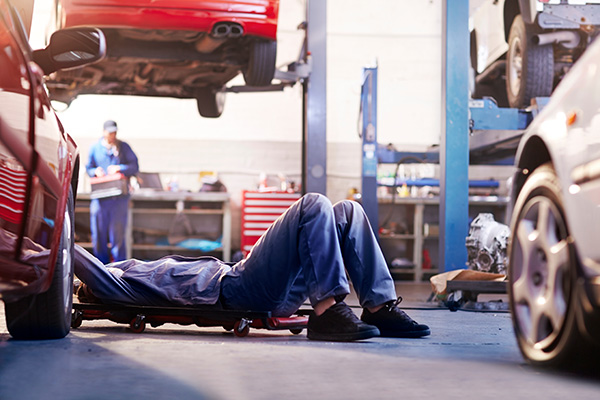
A short conversation before any wrench turns can save money, time, and headaches. Clear expectations keep surprises off the invoice and help the technician focus on the real problem. Use this checklist to set the plan, understand your choices, and feel confident about what comes next. Start With Your Story, Not a Diagnosis Describe what you hear, feel, and see. Share when the symptom started, how often it happens, dash warnings, recent fuel stops, and any work done lately. Mention weather, speed, or routes that make it better or worse. Technicians learn more from a careful timeline than from a guess at which part failed. Pin Down Permission and Price Guardrails Agree on how far the shop can go before calling you. A clear approval limit prevents scope creep and keeps the decision in your hands when new information appears. Questions to ask: What is the diagnostic fee, and what does it include? How much can you authorize before I approve more work ... read more