Posted on 11/27/2026
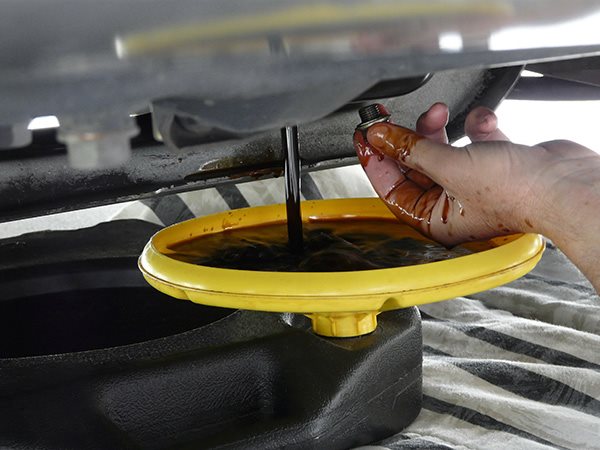
A neighbor insists on changing oil every 3,000 miles, while your dashboard says service isn't due for thousands more. Both recommendations sound confident, but neither necessarily fits your car. Engine design, the manufacturer's oil requirements, driving conditions, and elapsed time all shape the right interval. Sarasota traffic and hot-weather driving are worth considering, yet heat alone doesn't mean every engine needs an unusually short schedule. Start With the Engine Manufacturer's Schedule Oil lubricates internal parts, carries heat away from moving surfaces, and helps manage combustion deposits. Automakers test engines with specific oil grades and performance standards before publishing service intervals. Those limits vary across models and even different engines in the same model family. A turbocharged four-cylinder and a naturally aspirated engine may need different products and schedules. Your owner's manual should identify both the mil ... read more