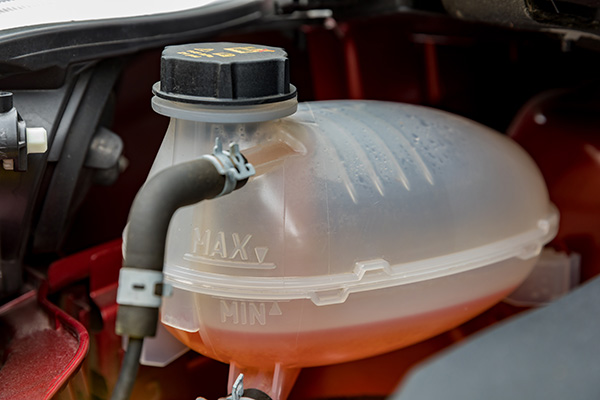
Low coolant is one of those issues that can seem minor at first. The car still runs, the temperature may stay normal for a while, and nothing feels urgent. That can make it easy to keep driving without much thought.
Coolant, though, plays a critical role in controlling engine temperature. When levels drop, the system cannot do its job properly, and the effects can build faster than expected.
Engine Temperature Starts to Rise
Coolant absorbs heat from the engine and carries it away. When there is not enough of it, that heat has nowhere to go. As a result, engine temperature begins to climb.
At first, the increase might be slight and only appear under certain conditions, such as sitting in traffic or driving uphill. Over time, it becomes more consistent and harder to ignore.
Overheating Becomes More Likely
As coolant levels continue to drop, the risk of overheating increases. The system loses its ability to regulate temperature, especially during longer drives or in warm weather.
Once overheating starts, it can escalate quickly. Turning the engine off at that point may prevent damage, but continuing to drive can lead to more serious problems.
Engine Components Can Warp or Crack
Excess heat puts stress on engine components. Metal parts expand when temperatures rise, and without proper cooling, that expansion can go beyond safe limits.
This can lead to warped cylinder heads, damaged seals, or even cracks in engine components. These are much more involved repairs than addressing low coolant levels early.
Head Gasket Damage Can Occur
One of the more common results of prolonged overheating is head gasket failure. The gasket is designed to seal combustion pressure, coolant, and oil in their proper paths.
When heat becomes excessive, that seal can break down. Once the head gasket is compromised, coolant can leak internally, which creates a more complex and costly repair.
Reduced Engine Efficiency
Even before major damage occurs, low coolant affects how efficiently the engine operates. Higher temperatures can reduce performance and increase strain on internal components.
You may notice the engine working harder or not responding the way it used to. These changes are early signs that the system is under stress.
Cooling System Components Can Be Damaged
Running low on coolant also affects other parts of the system. The water pump, radiator, and hoses rely on proper fluid levels to function correctly.
When coolant is low, these components can overheat or wear more quickly. That can lead to leaks, reduced flow, and additional repairs that could have been avoided.
Why the Problem Gets Worse Over Time
Low coolant levels rarely stay the same. If there is a leak or loss, it will continue until the issue is fixed. As levels drop further, the system becomes less effective with each drive.
What starts as a small issue can quickly turn into overheating and engine damage. Addressing it early makes a significant difference.
How Regular Maintenance Helps Prevent This
Checking coolant levels during regular maintenance helps catch small drops before they become a problem. Inspecting hoses, connections, and the radiator can also reveal leaks early.
An inspection ensures the system is sealed and operating correctly. Keeping coolant at the proper level helps protect the engine from unnecessary stress.
When to Schedule a Cooling System Inspection
If you notice the coolant level dropping, the temperature gauge rising, or warning lights on the dashboard, it is time to have the system checked.
Even if the vehicle still seems to run fine, low coolant levels should not be ignored. Early inspection helps prevent more serious damage.
Get Cooling System Service In Sarasota, FL, With Kaufman's Auto Repair
If your vehicle is running low on coolant or showing signs of overheating, Kaufman's Auto Repair in Sarasota, FL, can inspect your cooling system and find the cause before it leads to engine damage.
Call today to schedule your appointment and keep your engine protected from the risks of low coolant.